
Expert Spider Vein Removal, Close to Home
Those thin red, blue, or purple lines webbing across your legs or face have a name — spider veins — and you don’t have to live with them. At Palisades Vein Center, we’ve helped patients across New York and New Jersey get clearer skin with quick, minimally invasive spider vein treatments: sclerotherapy, Excel V+ laser, and VeinGogh™.
What Are Spider Veins?
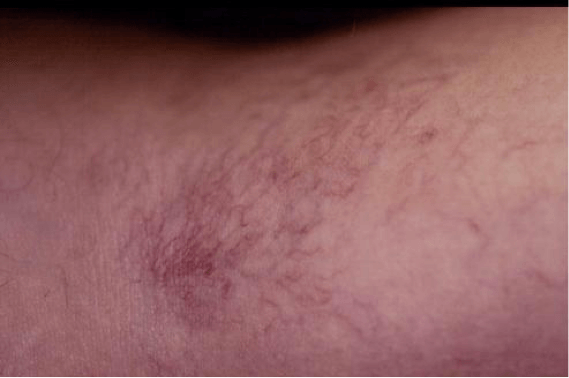
Spider veins (telangiectasias) are small, dilated blood vessels visible just beneath the surface of the skin. They typically appear as red, blue, or purple lines in branching, web-like patterns — most often on the legs, ankles, and face.
Unlike varicose veins, spider veins are small, flat or only slightly raised, and rarely cause physical symptoms. But they’re highly visible, and for many patients that’s reason enough to treat them.
What Causes Spider Veins?
Spider veins develop when tiny blood vessels near the skin’s surface weaken and dilate. Common contributing factors include:
- Genetics — a family history of spider or varicose veins is the strongest predictor
- Hormonal changes — pregnancy, birth control, and menopause all play a role, which is one reason women develop spider veins more often than men
- Prolonged standing or sitting — occupations that keep you on your feet (or at a desk) all day increase pressure in leg veins
- Sun exposure — a major factor in facial spider veins, especially for fair skin
- Age — vein walls and valves naturally weaken over time
At-a-Glance
- Treatment time: 15–30 minutes
- Pain level: minimal — no anesthesia needed
- No downtime
- Most patients need 1–3 sessions
Are Spider Veins Dangerous?
For most people, spider veins are a cosmetic issue rather than a medical one. However, they can sometimes signal underlying venous insufficiency — the same valve problem that causes varicose veins. If your spider veins are accompanied by aching, heaviness, swelling, or clusters of larger veins, it’s worth having a vein specialist take a look.
At your consultation, we evaluate whether your spider veins are isolated or a sign of something underneath — so you get the right treatment the first time. Learn more about our diagnosis & evaluation process.
Spider Vein Treatment Options
We offer three proven spider vein treatments — and because we offer all of them, our recommendation is based on what will work best for your veins, skin, and treatment area.
Sclerotherapy
The gold standard for spider veins on the legs. A specialist injects a solution directly into the vein, causing it to collapse and fade over the following weeks. Sessions take about 30 minutes with no downtime. Learn more →
Excel V+ Laser
A precision laser that targets the pigment in visible veins — ideal for facial spider veins, smaller leg veins, and vessels too fine to inject. Also effective for rosacea and sun damage. Quick treatments, no needles. Learn more →
VeinGogh™
VeinGogh uses ohmic thermolysis — a hair-thin probe delivering microbursts of heat — to instantly eliminate fine spider veins, particularly on the face, nose, and ankles where other treatments can’t reach. Results are often visible immediately. See VeinGogh for facial veins →
Not sure which is right for you? Most leg spider veins respond best to sclerotherapy; facial veins are typically treated with Excel V+ or VeinGogh. Many patients get the best results from a combination — we’ll map that out at your free consultation.
Before & After
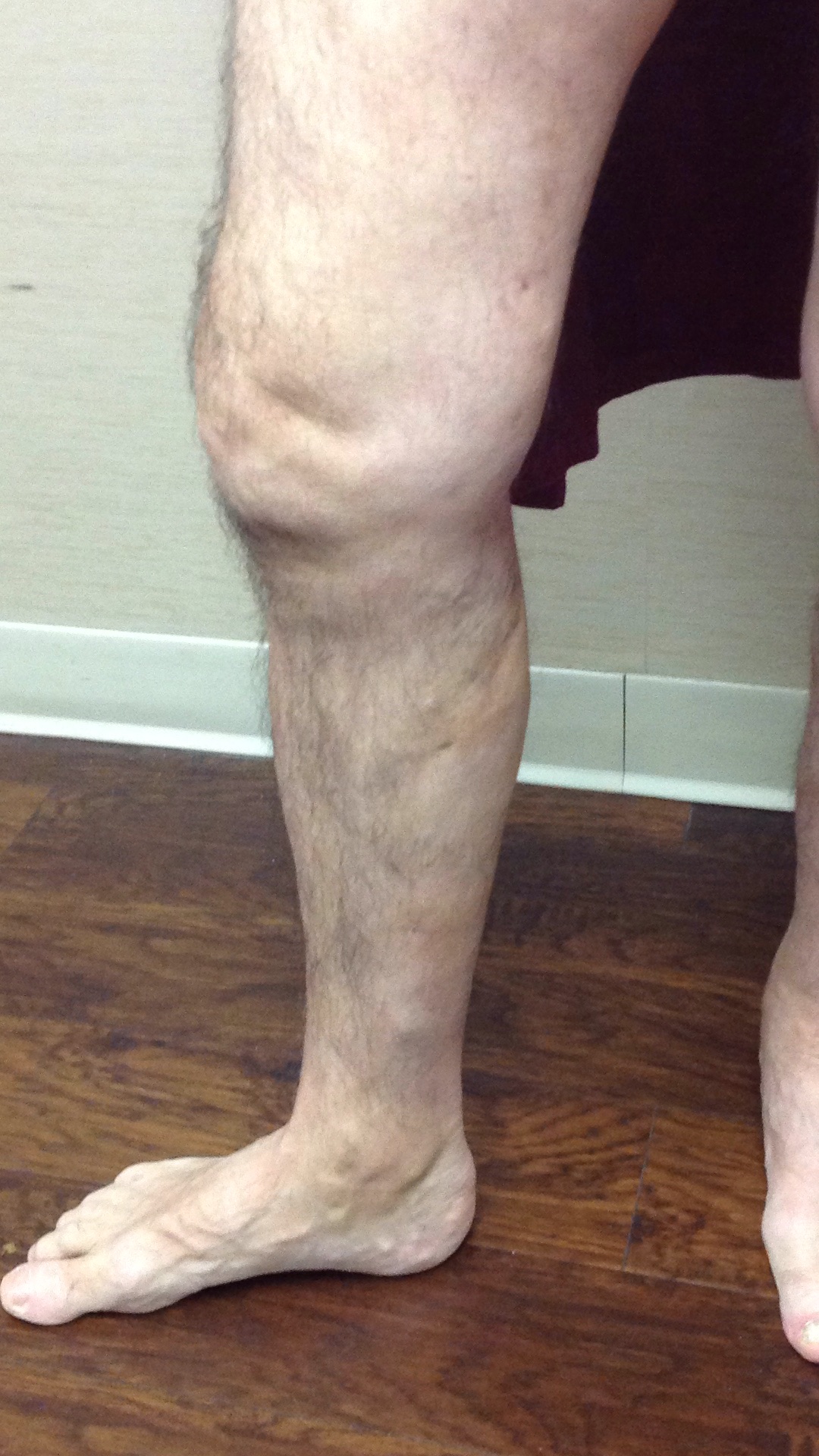
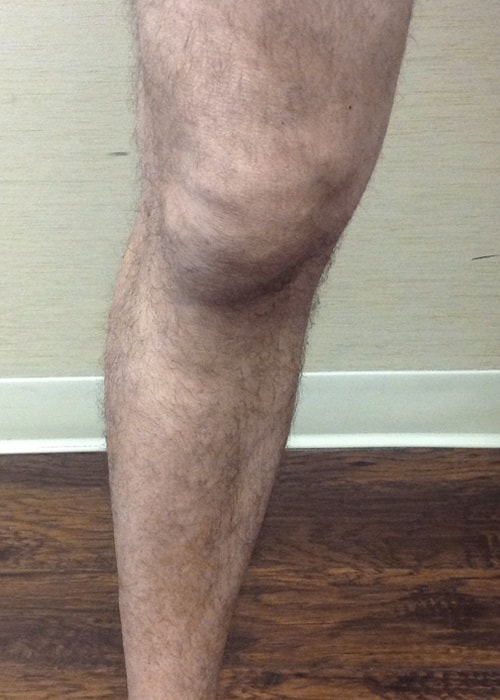
See real patient results from spider vein treatment at Palisades Vein Center.
Spider Vein Treatment FAQs
Cost depends on the treatment method and the number of sessions needed — most patients need one to three. Because spider vein treatment is typically considered cosmetic, it’s usually not covered by insurance. We provide transparent pricing at your free consultation, and financing options are available.
Many patients see significant improvement after a single session, but spider veins often require two to three sessions spaced several weeks apart for full clearance, depending on how extensive they are.
Most patients describe sclerotherapy as a series of tiny pinpricks, and laser or VeinGogh treatment as brief snapping sensations. No anesthesia is required, and you can return to normal activities immediately.
Treated veins are gone for good. New spider veins can form over time, though — especially with a genetic predisposition — so some patients return for occasional touch-up sessions.
Serving New York & New Jersey
Spider vein treatment shouldn’t require a trip into Manhattan. Our Westchester, Rockland, Orange, and Dutchess County offices serve patients across the NYC metro and Hudson Valley, while our Englewood office is minutes from Fort Lee, Hackensack, Montvale, and the rest of Bergen County, NJ — with easy access from Morris County and the GWB.
Find Your Nearest LocationBook Your Free Spider Vein Consultation
Clearer skin starts with a conversation. Book a free consultation with a board-certified vein specialist at Palisades Vein Center — and find out exactly which spider vein treatment is right for you.
Book Now Call (845) 362-5200Explore related vein care:
Sclerotherapy Excel V+ Laser Facial Vein Treatment Reticular Vein Treatment Varicose Vein Treatment Before & After Gallery