
Understanding Your Varicose Veins
Varicose veins are enlarged veins that bulge or twist beneath the skin, most often on the legs. For some people, their appearance is the main concern. Others experience aching, swelling, or heaviness that becomes more noticeable throughout the day.
Understanding these changes starts with knowing how your veins work. At Palisades Vein Center, we help patients across New York and New Jersey understand their vein concerns and decide what to do next.
What Are Varicose Veins?
The veins in your legs carry blood back toward your heart. Small, one-way valves help keep that blood moving upward. When vein walls or valves weaken, some blood can flow backward and collect in the vein. This backward flow is called venous reflux.
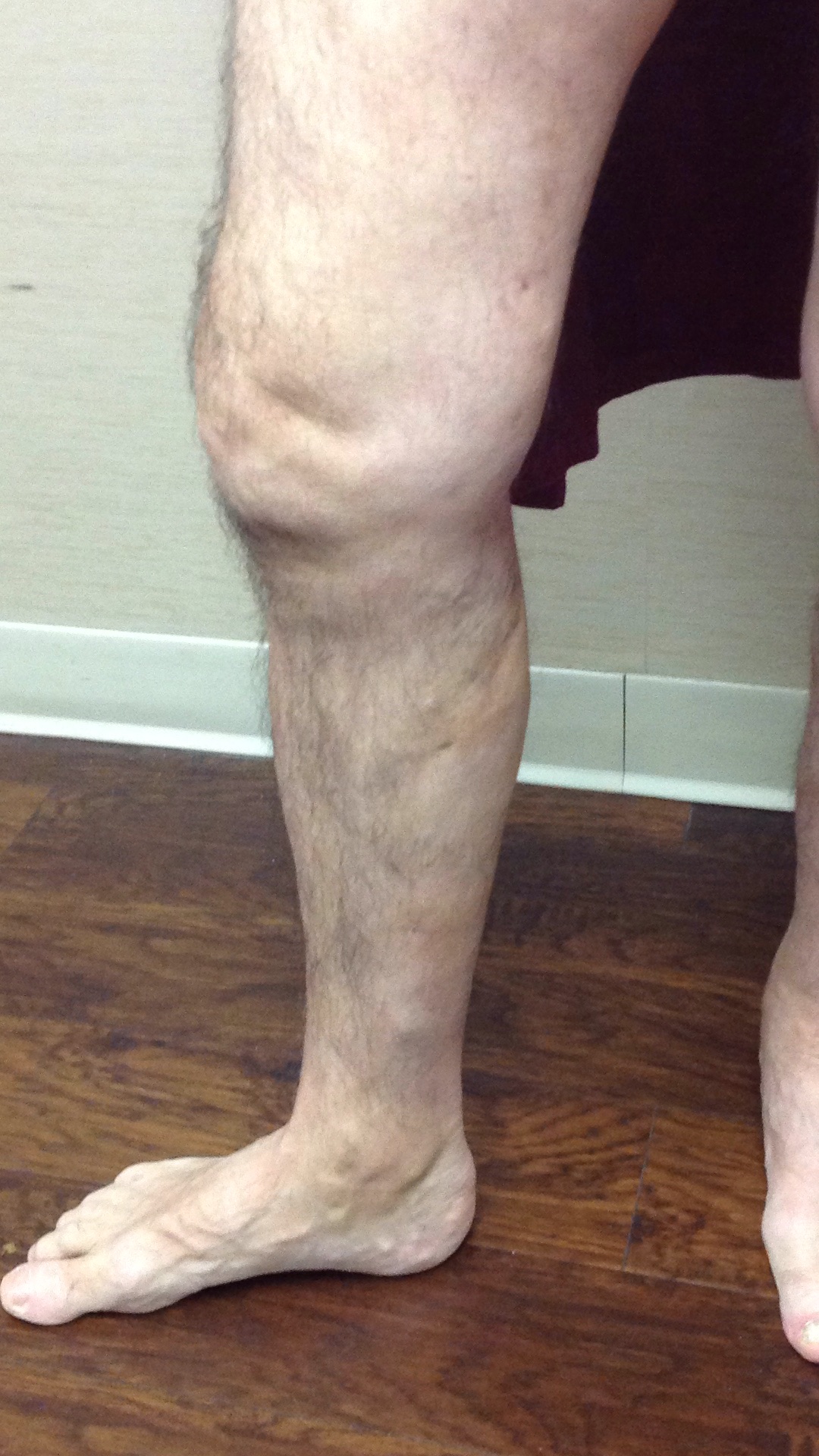
Over time, increased pressure can cause a vein to widen and become twisted or raised. These enlarged veins are called varicose veins, or varicosities. They may look blue, purple, or similar to your skin tone. Some form a single raised line; others appear as clusters of winding, rope-like veins.
Varicose Veins vs. Spider Veins
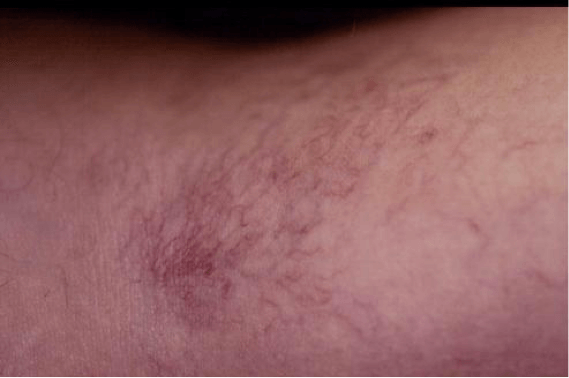
Varicose veins are larger and often bulge above the skin. Spider veins are small blood vessels that usually appear as fine red, blue, or purple lines near the surface. You can have both at the same time — an evaluation can help identify which type of vein you are seeing.
What Causes Varicose Veins?
Varicose veins develop when blood does not move through the veins as efficiently as it should. Several factors can increase the likelihood of this happening:
- Family history — you are more likely to develop varicose veins if they run in your family
- Age — vein walls and valves can weaken over time
- Pregnancy — changes in hormones, blood volume, and pressure from the growing uterus can affect blood flow from the legs
- Long periods of sitting or standing — remaining in one position can make it harder for blood to return from your legs
- Excess body weight — additional weight can increase pressure on leg veins
- Previous deep vein thrombosis — a blood clot in a deep vein can damage valves and affect circulation afterward
Having one or more risk factors does not mean you will develop varicose veins. People without obvious risk factors can develop them, too.
At-a-Glance
- Several treatment options available
- Most procedures performed in-office
- Treatment plan based on ultrasound evaluation
- Recovery time varies by procedure
Are Varicose Veins Dangerous?
Varicose veins do not always cause serious problems or require a procedure. However, persistent symptoms and skin changes deserve attention. Some people develop inflammation, bleeding, or sores that heal slowly. Varicose veins can also occur alongside chronic venous insufficiency, a condition in which impaired blood return from the legs can lead to ongoing swelling and skin damage.
The size or appearance of a vein does not tell the whole story. Your symptoms, examination, and any necessary testing help establish what care is appropriate.
Signs and Symptoms of Varicose Veins
Some varicose veins cause no discomfort. When symptoms occur, they may include:
- Aching, throbbing, or heaviness in the legs
- Swelling around the ankles or lower legs
- Itching or burning near visible veins
- Leg cramps, including at night
- Changes in skin color or texture
Symptoms may become more noticeable after prolonged standing or sitting and improve when you rest with your legs elevated. Leg discomfort and swelling can also have other causes — an evaluation helps determine whether a vein problem is contributing to your symptoms.
When Should You See a Doctor?
Arrange an evaluation if:
- Aching, heaviness, or swelling affects your daily activities
- Your symptoms are becoming more frequent or difficult to manage
- Skin around your ankle or lower leg becomes discolored, thickened, or persistently irritated
- You develop a sore or an area of skin that is not healing
You can also schedule a consultation if visible veins bother you and you want to understand your options.
Symptoms That Need Urgent Attention
Sudden swelling or pain in one leg, especially with warmth or redness, needs prompt medical assessment because it may indicate a blood clot. Do not wait for a routine vein appointment.
Call 911 for chest pain or sudden shortness of breath, particularly when accompanied by leg pain or swelling. Active bleeding from a varicose vein also requires immediate medical attention.
How Are Varicose Veins Diagnosed?
Your evaluation begins with a discussion of your symptoms, medical history, and any previous vein treatment. Your clinician will examine your legs and look for visible veins, swelling, and skin changes.
A duplex ultrasound may be recommended to assess blood flow and check for reflux or other vein problems. This scan uses sound waves to show what is happening beneath the skin and helps guide treatment decisions. Learn more about our vein diagnosis and evaluation process.
Can You Relieve Symptoms at Home?
Some everyday measures may help reduce discomfort:
- Take walking or movement breaks during long periods of sitting or standing
- Elevate your legs when resting
- Stay physically active at a level appropriate for your health
- Work toward a healthy weight if recommended by your clinician
Compression stockings may also help with swelling and aching — ask a clinician whether compression is suitable for you and which type to use. These measures can help manage symptoms, but they do not repair damaged valves or remove existing varicose veins.
Treatment Options for Varicose Veins
Treatment depends on your symptoms, medical history, and the location and function of the affected veins. Some people benefit from symptom management and monitoring; others may benefit from a procedure. Many vein procedures are performed in an office setting, and recovery varies with the treatment and your individual circumstances.
Radiofrequency & Laser Ablation
Uses heat delivered inside a vein to close a malfunctioning superficial vein. Learn more →
Varithena Chemical Ablation
Uses an injectable prescription foam to close selected problem veins. Learn more →
VenaSeal
Uses a medical adhesive to seal a vein without heat. Learn more →
Sclerotherapy
Uses an injected solution or foam to close selected veins. Learn more →
Ambulatory Phlebectomy
Removes bulging surface veins through small openings in the skin. Learn more →
Compression Therapy
Helps manage symptoms and may be recommended as part of your care. Learn more →
Not sure which treatment is right for you? Visit our varicose vein treatment page for a closer look at each procedure and what to expect, or book a free consultation and we’ll map out a plan specific to your veins.
Varicose Vein Treatment Results
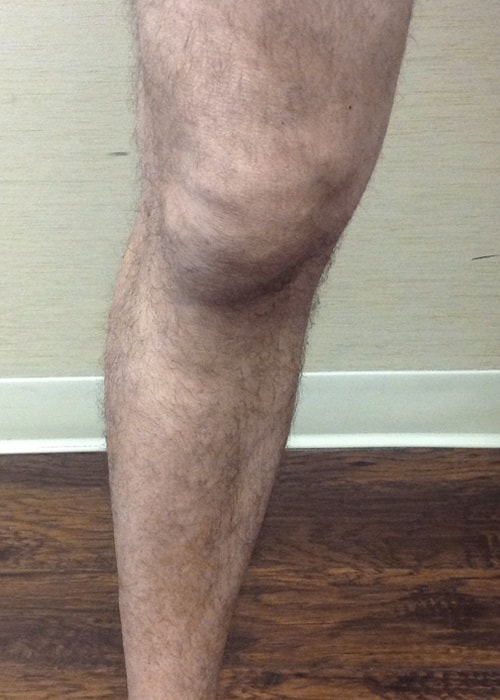
Our before-and-after gallery shows examples of treatment results from Palisades Vein Center patients. Photos can help illustrate changes in appearance — your own results will depend on your veins, the treatment performed, and your response to care.
Varicose Vein FAQs
A varicosity is a varicose vein. “Varicosities” is the plural term. Both describe veins that have become enlarged and twisted.
No. Some people have visible varicose veins without pain or swelling. Others experience discomfort that affects standing, walking, or other activities. Symptoms help guide the evaluation, but appearance alone cannot determine how well a vein is functioning.
Established varicose veins usually do not disappear on their own. Veins that develop during pregnancy may improve after delivery. If they persist or cause symptoms, a clinician can help you decide whether further evaluation is needed.
There is no guaranteed way to prevent them, particularly when family history plays a role. Regular movement, avoiding long periods in one position, and maintaining a healthy weight can support circulation and help manage symptoms.
No. A procedure is not necessary for every visible vein. Your clinician can help you weigh your symptoms, examination findings, and preferences when deciding between monitoring, symptom management, and treatment.
Coverage may be available when treatment meets your plan’s medical-necessity requirements. Symptoms and ultrasound findings may be part of that assessment, but they do not automatically guarantee coverage. Treatment performed solely to improve appearance is often excluded. Check your specific plan’s requirements, authorization rules, and out-of-pocket costs before scheduling a procedure.
Treatment addresses the veins selected for care, but new varicose veins can develop over time. Some patients need additional treatment or follow-up as their vein health changes.
Serving New York & New Jersey
Palisades Vein Center has locations in New City, Pomona, Fishkill, and Goshen, New York, and Englewood, New Jersey.
Find Your Nearest LocationGet Your Vein Concerns Evaluated
Whether you are dealing with discomfort or wondering about a visible vein, our team can help you understand what is happening and discuss your options.
Book Now Call (845) 362-5200Explore related vein care:
Varicose Vein Treatment Vein Ablation Sclerotherapy Spider Veins Chronic Venous Insufficiency Before & After Gallery